
Aging-in-Place Renovations: Planning a Forever Home
How to plan sensible, safe changes so you can stay in your home long-term.
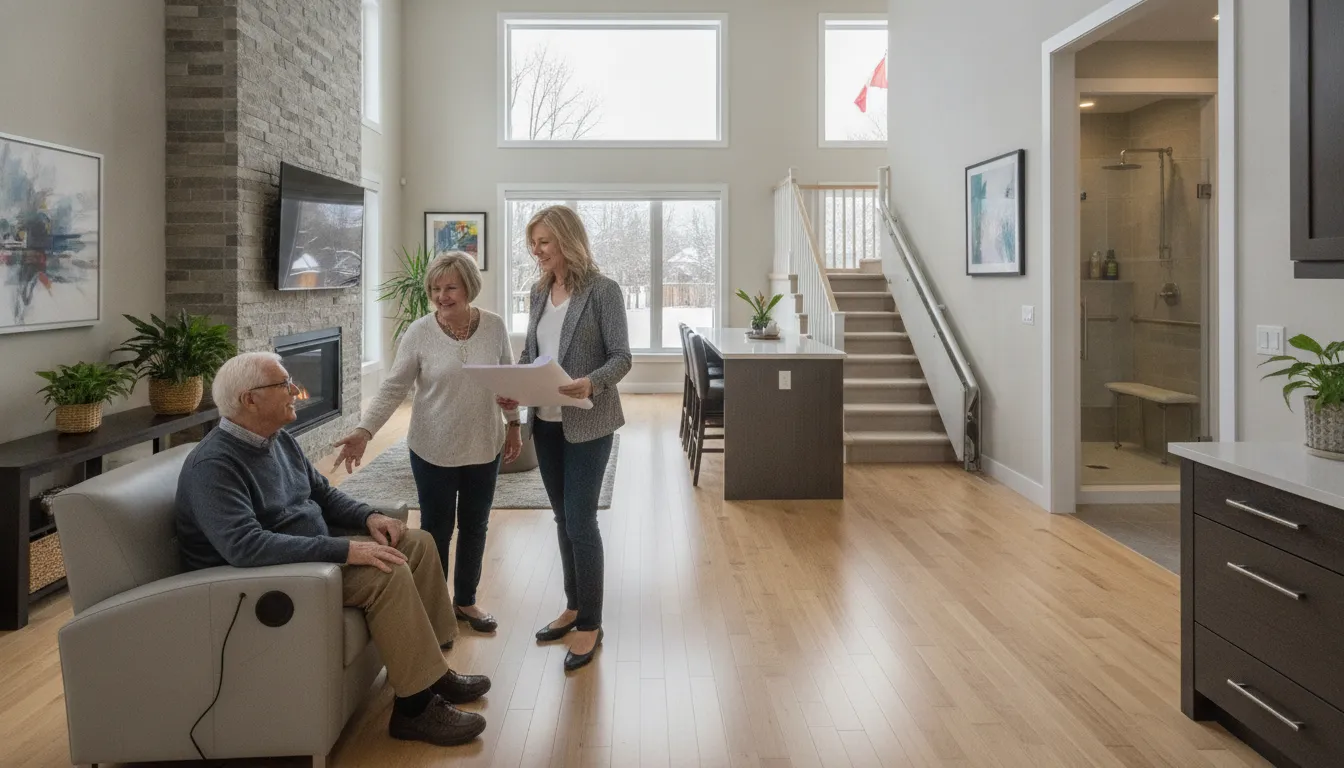
What are aging-in-place renovations and who should consider them?
Aging-in-place renovations adapt a home’s layout, systems, and finishes so occupants can live there safely and comfortably as mobility, strength, or sensory abilities change. They range from small updates—grab bars and lever handles—to major remodels like accessible bathrooms and zero-step entries.
Scope and purpose
The goal is independence: reduce fall risk, simplify daily tasks, and allow caregivers to help more comfortably. Projects can be immediate safety fixes or phased upgrades planned over years to spread cost and disruption.
Common interventions
Typical measures include widening doorways, curbless showers, reinforced walls for future grab-bar installation, non-slip flooring, improved lighting, and lowering counters. Many homeowners also upgrade mechanical systems—HVAC and electrical—to support stair lifts, through-floor elevators, or medical equipment.
Who benefits
Aging-in-place design helps older adults, adults with limited mobility, and families planning for long-term needs. In Richmond Hill and nearby Vaughan or Markham, homeowners often retrofit older mid-century houses as well as newer townhomes to match changing needs.
Step-by-Step: Aging-in-Place Renovations: Planning a Forever Home
A clear renovation process keeps budgets and timing realistic. Below are practical steps to plan and execute aging-in-place work in a typical single-family or multi-level Richmond Hill home.
- 1
1. Start with a needs and risk assessment
Walk through the home with occupants, caregivers, and a knowledgeable contractor or occupational therapist to list daily challenges and fall risks. Prioritize changes that remove hazards (loose rugs, poor lighting) and enable essential tasks like toileting and cooking.
- 2
2. Establish goals, timeline, and budget
Decide which outcomes are essential now versus later—safety-first items versus comfort or aesthetic upgrades. Create a phased budget: small safety items ($200–$2,000 each typically) and larger remodels (accessible bathroom or entry: tens of thousands), then align with your timeline.
- 3
3. Verify permits and local rules
Check Richmond Hill’s building department and York Region rules for work that modifies structural elements, plumbing, or electrical systems. Permit and inspection processes in Ontario vary by municipality—always verify locally and with your insurer if modifications affect coverage.
- 4
4. Hire the right team and get detailed estimates
Choose contractors with experience in accessibility work and good references from Richmond Hill, Vaughan, or Markham. Obtain itemized quotes and scope of work, confirm warranty terms, and ask for proof of liability and WSIB coverage.
- 5
5. Plan for temporary living needs and logistics
If a bathroom or kitchen will be out of service, arrange temporary facilities or schedule work in phases to minimize disruption. Protect finishes, and plan for dust control and safe access for occupants and workers.
- 6
6. Inspect, adjust, and document
Attend inspections, test installed features (clearances, grab bar placement, lighting levels), and request final as-built drawings and warranties. Keep photos and receipts—useful for future resale, home-care planning, or insurance inquiries.
Mistakes to Avoid
Renovating for long-term use requires different choices than typical cosmetic updates. Avoid shortcuts that look good now but create safety, legal, or resale problems later—here are common costly mistakes and how to sidestep them.
Skipping professional accessibility input
Relying purely on aesthetics can produce awkward or unsafe results—e.g., a shower bench that blocks transfer space. Consult an occupational therapist or an accessibility-minded contractor to confirm measurements, turning radiuses, and reach ranges.
Underestimating structural and mechanical needs
Installing a stair lift or through-floor lift often requires structural reinforcements and upgraded electrical service. Confirm load-bearing requirements and dedicated circuits before work starts to avoid mid-job changes and cost overruns.
Ignoring local permits and inspections
Removing or altering walls, modifying stairs, changing plumbing or electrical usually triggers permits in Richmond Hill and York Region. Skipping permits can lead to failed resale inspections, insurance complications, and costly retrofits—verify and budget for permit fees and inspections.
Choosing style over durability and maintenance
Flooring, hardware, and finishes need to perform for years under heavier use and cleaning. Invest in low-maintenance, non-slip flooring, lever-style handles, and easy-to-clean surfaces rather than fragile designer finishes that will show wear quickly.
What Affects Your Outcome
Several local and project-specific factors change cost, timing, and success.
Home layout and structure
Floor plan complexity, load-bearing walls, and closet-situated bathrooms can drive scope and cost; older Richmond Hill houses often need more structural work than newer subdivisions.
Scope: retrofit versus full remodel
Small adaptations (ramps, grab bars) cost much less and install quickly; full accessible bathroom or elevator installs require longer timelines and bigger budgets.
Local codes and permit timelines
Richmond Hill building permit reviews and required inspections affect schedule; plan for municipal lead times and confirm requirements with the building office and York Region when applicable.
Contractor experience and availability
Experienced accessibility contractors are often booked in advance and may charge a premium; check past Richmond Hill projects and references to ensure quality and realistic timing.
Mechanical and electrical upgrades
Adding medical equipment, stair lifts, or a through-floor lift may require extra electrical capacity or modifications to HVAC distribution—these trade needs increase cost and coordination.
Season and climate
In Richmond Hill’s climate, exterior work (ramps, threshold changes) is best scheduled outside winter months to avoid freezing ground and delivery delays; interior work is less season-dependent but consider humidity control when installing adhesives or woodwork.
Frequently Asked Questions
How much do aging-in-place renovations typically cost?
Costs vary widely by scope. Small safety upgrades—grab bars, lever handles, better lighting—can be a few hundred to a few thousand dollars; accessible bathroom remodels, entry ramps, or stair lifts are often in the mid- to high-thousands or tens of thousands depending on finish level and structural work. Get multiple itemized quotes to compare.
Do I need a permit for grab bars or grab-rail installation?
Simple grab-bar installation that doesn't change structure usually doesn't require a permit, but reinforcing walls or installing new blocking for future support might. Confirm with Richmond Hill’s building department, since municipal requirements and inspection expectations vary.
Will my home insurance cover aging-in-place renovations?
Insurance typically covers damage from insured perils, not upgrades for accessibility. Some changes may affect your policy—positive or negative—so check with your insurer before major electrical or structural work and verify whether updates change replacement cost estimates or endorsements. Always verify specifics with your insurer and accountant.
What accessibility standards should I follow?
There are recognized guidelines—like universal design principles and provincial accessibility standards for public spaces—but private homes are more flexible. Use measured guidelines for clearances, door widths (at least 32–36 inches clear where possible), toilet and sink access, and non-slip flooring. When in doubt, consult an occupational therapist or contractor experienced in accessible design.
How do I choose a contractor for these renovations?
Look for contractors with specific experience in accessibility or aging-in-place projects, ask for local Richmond Hill references and photos, confirm liability and WSIB coverage, and require an itemized contract with timelines and warranties. Interview at least two or three contractors and ask about subcontractors and project supervision.
Can I phase renovations to spread cost and disruption?
Yes. A phased approach is common: begin with fall-risk reductions (lighting, handrails), then move to primary bath/kitchen accessibility, and finally larger structural changes like elevators. Phasing requires careful planning to avoid repeating work or damaging newly installed finishes—coordinate phases with the contractor up front.
Free aging-in-place assessment for Richmond Hill homeowners
Schedule a no-cost walk-through and receive practical recommendations tailored to your home and mobility needs.
Get a Free Quote