

Home Additions to Grow Your Richmond Hill Home
Thoughtful room additions and extensions across Richmond Hill to suit growing families and changing needs
Free estimates · Same-day service available · No obligation
Home Additions in Richmond Hill
When your family needs more room but moving isn’t the right fit, Home Additions can be the best path forward. In Richmond Hill we design additions that match existing rooflines, foundations and brick or siding so the new space feels like it’s always been part of the house. Homeowners in neighbourhoods from Oak Ridges to Bayview Hill choose additions to avoid moving costs and to stay close to schools, transit and community centres. GTA Home Renovations plans around local seasons and construction windows so projects run clean and on schedule.
What this service covers
We handle single-room bump-outs, second-storey additions, full rear extensions, in-law suites and garage conversions. Work includes foundation work (concrete footings, strip footings, or helical pile options when soils require), framing with dimensional lumber or engineered floor joists, roofing tie-ins using asphalt shingles or metal, insulation, windows, and interior finishes such as drywall, trim and flooring. We also manage mechanicals: extending HVAC ducts, plumbing rough-ins, and electrical to code.
Signs you need an addition now versus a cheaper patch
If your family’s needs won’t be solved by reconfiguring existing rooms, an addition is appropriate — for example, when you need another bedroom, a ground-floor master, or a larger kitchen for family gatherings. Cosmetic changes, fresh paint, or moving a non-load-bearing wall can be cheaper and quicker when the issue is function rather than square footage. Choosing an addition early can avoid repeated, temporary fixes that add cost over time.
Why acting early saves money
Planning an addition ahead of peak seasons in Richmond Hill lets you lock trades and materials before demand spikes, and avoids emergency solutions when a growing family needs space fast. Early site assessment finds issues in the existing foundation or framing so we can plan for them rather than pay premium remediation later. With a written scope and materials schedule, change orders are minimized and the overall budget stays more predictable.
Why local conditions matter
Richmond Hill sits in the York Region with clay and glacial soils in parts of the city; that affects foundation choices and drainage plans. Winters and freeze-thaw cycles mean we specify vapour barriers, continuous insulation, and appropriate flashing details to avoid ice dams and water intrusion. We build additions that respect neighbourhood streetscapes whether you’re on a mid-century lot in Bayview or a newer subdivision near Markham.
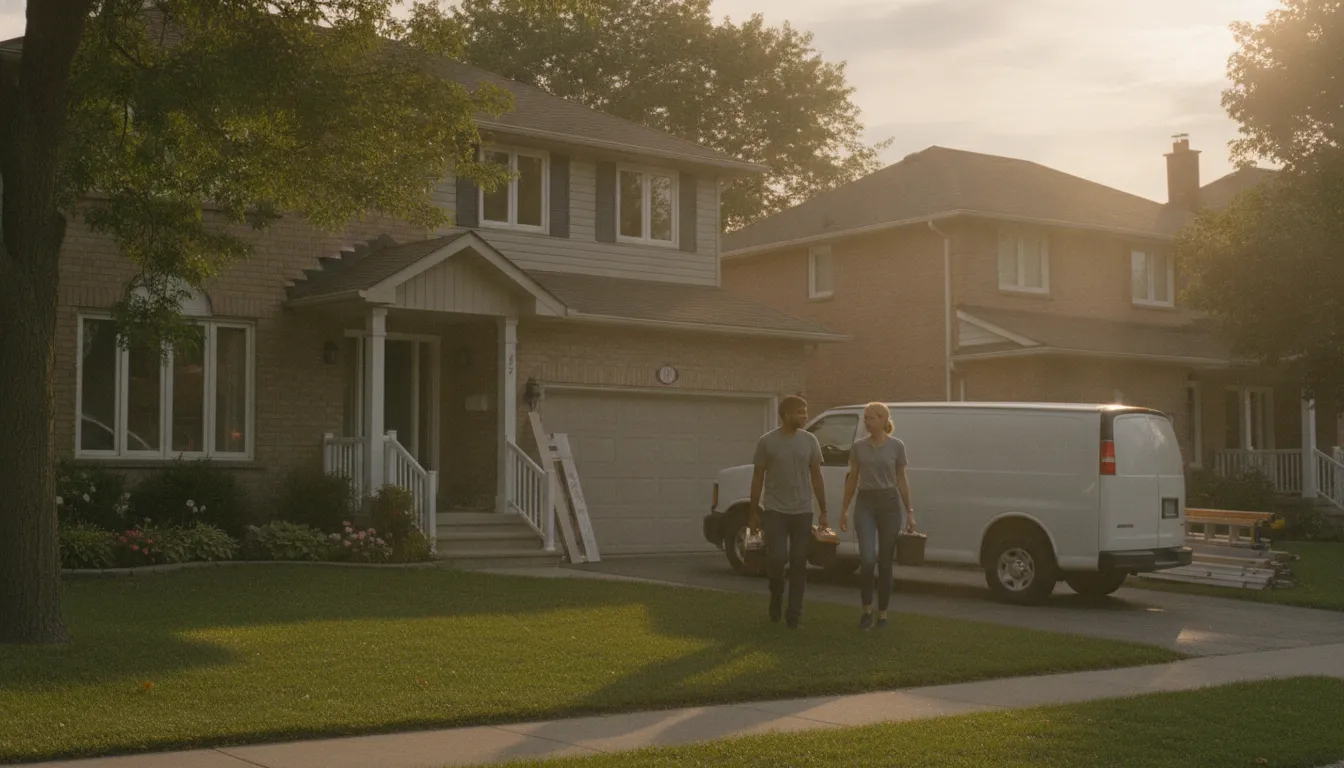
Our Home Additions Process in Richmond Hill
We follow a clear, documented process so you know what to expect. Each step is tailored to Richmond Hill’s permitting and seasonal realities.
- 1
1. Site Assessment & Feasibility
We visit your Richmond Hill property to inspect existing foundations, measure setbacks, and note neighbouring conditions and service lines. That assessment includes soil notes, roof condition, and an initial check of municipal zoning to flag permit requirements.
- 2
2. Written Scope & Quote
You receive a detailed written scope listing materials (foundation type, framing approach, windows, insulation levels) and phased pricing so you can compare options. We outline exclusions and likely permit fees so there are no surprises when you request a formal building permit from Richmond Hill.
- 3
3. Scheduling & Permits
Once you approve the scope, we apply for required permits and schedule work around Richmond Hill inspection windows and seasonal constraints. We coordinate subtrades—concrete, carpentry, HVAC and plumbing—so each phase follows building code and inspection timing.
- 4
4. Construction with Property Protection
During construction we protect landscaping, lay down dust barriers and floor protection, and use temporary weatherproofing to keep the home livable. Trades operate under a project manager who enforces daily cleanup, waste removal, and site safety practices to reduce disruption to your household.
- 5
5. Final Walkthrough & Documentation
At completion we walk through punch-list items, provide as-built documents, and hand over warranty paperwork for workmanship details. We also review maintenance tips for finishes, flashing, and seasonal checks to keep your new addition performing year-round.
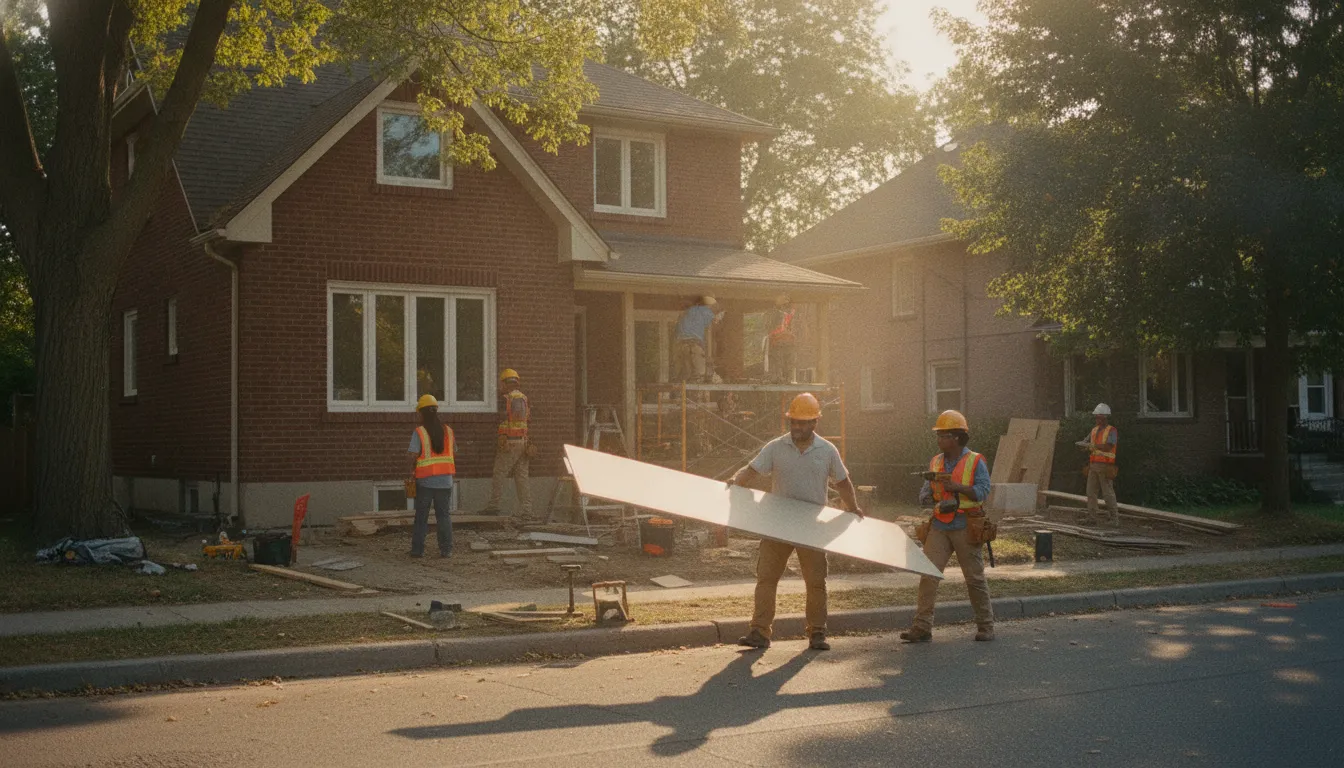
Home Additions in Richmond Hill
When your family needs more space but moving feels wrong for the neighbourhood you love, a Home Addition is a practical, long‑term solution. In Richmond Hill we design additions that respect streetscapes from Bayview to Oak Ridges and the nearby towns of Markham and Vaughan. As a local team, GTA Home Renovations balances permit rules, seasonal timing, and material choices that stand up to Ontario’s freeze–thaw cycles and humid summers. We focus on residential projects — two‑storey additions, rear bump‑outs and sunrooms — tailored to the character of Richmond Hill homes.
What our Home Additions cover
We handle full room additions, second‑storey additions, bump‑outs over basements, and attached garages converted into living space. Work includes foundations (concrete footings, reinforced slab or stem walls), framing (dimensional lumber, engineered floor joists), roofing tie‑ins, new electrical and HVAC rough‑ins, insulation upgrades and interior finishes such as drywall, hardwood or engineered flooring. We coordinate with structural engineers for load‑bearing changes and provide drawings useful for permits and future resale.
Signs you need an addition now vs a cheaper fix
If the household needs a permanent bedroom, a widened kitchen footprint or a dedicated home office, an addition preserves yard and avoids repeated small renovations. Cheaper fixes — repurposing a garage, finishing a basement or installing a modular shed — can work when you need short‑term space or you’re on a strict budget. We help clients weigh long‑term value: additions generally add more functional square footage and resale appeal when engineered and permitted correctly.
Why acting early can save money
Addressing structural and insulation needs at the time of an addition prevents future invasive work later — for example, upgrading foundation drainage, replacing old cast‑iron sewer stacks, or adding continuous exterior insulation while cladding is off. Early coordination of plumbing and HVAC routing avoids costly reruns and reduces downtime. In Richmond Hill’s cyclical market, getting permits and starting in shoulder seasons often reduces schedule risk and subcontractor premium.
How Richmond Hill conditions influence work
Richmond Hill’s climate — cold winters with freeze–thaw and humid summers — means we use materials and details that control moisture and thermal movement, like vapor‑permeable housewrap, exterior rigid insulation at foundation walls, and winterized roofing underlayment. Local housing stock ranges from post‑war bungalows to new infill, so matching roof pitches, cladding profiles (vinyl, fiber cement, brick veneer) and eavestrough placement is essential for a seamless look. We also plan for tree protection and seasonal site access where mature street trees are common.
Why Choose GTA Home Renovations for Home Additions
We’re a family‑run operation serving Richmond Hill homeowners with hands‑on project management and clear, written commitments. Our approach is practical: solid documentation, local building knowledge and a focus on living‑through‑construction comfort.
Transparent written quotes
Every Home Addition begins with a detailed written estimate that lists scopes, allowances and excluded items. That transparency helps homeowners in Richmond Hill compare options and budget confidently.
No hidden fees
We present change‑order policies up front and explain how unforeseen conditions are handled. That avoids surprises when older framing, rot or service lines are discovered once wall finishes are opened.
Cleanup and site care
We protect landscaping, install temporary fencing and use covered walkways where needed to keep dust and debris contained. Daily cleanup and an organized site reduce disruption for families in tight Richmond Hill lots.
Local crew, local knowledge
Our carpenters and trades understand Richmond Hill neighbourhood patterns, permitting nuances and common building assemblies here. That local knowledge speeds approvals and improves fit‑and‑finish with surrounding houses.
Workmanship commitment
We stand behind our installations with a workmanship guarantee and documented scope so you know what’s covered. If issues arise after completion, we respond with a plan and scheduled remediation.
Clear email communication
GTA Home Renovations handles inquiries and follow‑up by email, providing schedules, daily updates and photo records so you can track the project without missed messages. We use written approvals for changes to keep everyone aligned.
Signs You Need Home Additions in Richmond Hill
These are the common triggers we see from Richmond Hill households that move from coping to planning an addition. Each points to a practical cause under the surface and a suitable remedy.
Growing family and cramped bedrooms
Visible sign: bedrooms are full and common areas are used as sleeping spaces. Under the hood: home layout no longer meets household needs — a single‑storey bump‑out or an added second storey often resolves overcrowding without leaving the neighbourhood.
Home office crowding
Visible sign: workstations in living rooms with poor sound separation and limited daylight. Under the hood: lack of dedicated thermal and acoustic separation reduces comfort; an insulated rear addition or converted attached garage can provide a code‑compliant workspace.
Kitchen too small for modern needs
Visible sign: narrow aisles, limited counters and no place for an island. Under the hood: load‑bearing walls and plumbing layout limit expansion; removing a non‑structural wall or building a rear addition gives needed plan depth and allows modern appliances and ventilation.
Multi‑generational needs
Visible sign: a relative moves in and needs independent living space. Under the hood: additional plumbing, accessible entry, and separate HVAC zoning are required; a ground‑level addition or in‑law suite with an accessible bathroom solves this while keeping the main house intact.
Outdoor space traded for storage
Visible sign: cramped yards due to garden sheds or car storage. Under the hood: homeowners often choose to expand indoors to preserve green space; a second‑storey addition over a garage or a modest infill can increase interior area without reducing yard.
Older homes with failing systems
Visible sign: frequent repairs, cold drafts, or high heating bills in older sections of the house. Under the hood: poor insulation, single‑pane windows and outdated mechanicals mean an addition is an opportunity to modernize building envelope and systems for long‑term savings.
One bathroom for many
Visible sign: long morning lines for a single bath. Under the hood: plumbing branches and venting may need rerouting; adding a bathroom as part of an addition often requires small structural changes but greatly improves livability.
What to Consider Before Booking Home Additions
Is my budget aligned with a full addition?
Be honest about the total project budget and include contingency for unknowns such as hidden rot or uneven foundation soils. If your budget is tight, consider targeted fixes like a garage conversion, basement finish or open‑plan rework — these can be lower‑cost and meet immediate needs while you plan a full addition later.
When is the right season to build?
Richmond Hill’s shoulder seasons — late spring and early fall — often give the best balance of weather and subcontractor availability. Winter work is possible with winterized concrete and heated enclosures, but costs and scheduling complexity rise, so weigh your timeline against seasonal premiums.
Repair vs replace: should I retrofit or add on?
If foundational drainage, roofing or major mechanicals are near end‑of‑life, it’s usually more economical to address those before or during an addition. For cosmetic or short‑term needs, retrofit solutions like re‑insulating or finishing a basement may be a sensible temporary measure.
Which materials should I choose?
Consider durable cladding like fiber‑cement, brick veneer or properly detailed vinyl for local climate resilience; choose high‑R‑value insulation (spray foam or mineral wool with continuous exterior board) where budget allows. Materials affect cost and maintenance: higher initial spend on durable siding or windows reduces long‑term upkeep in Richmond Hill’s weather.
How disruptive will construction be?
Expect noise, deliveries and trades on site for the duration; we plan logistics to preserve access, secure tools and protect landscaping. If you need to remain in the home, we can stage work to limit areas affected and schedule the most disruptive phases while family members are out.
Do I need permits and code reviews?
Most Home Additions require building permits, site plan review or zoning variances in Richmond Hill, especially where lot coverage, setbacks or heritage elements are affected. Early submission and engagement with the city’s building department speeds approvals and prevents costly redesigns.
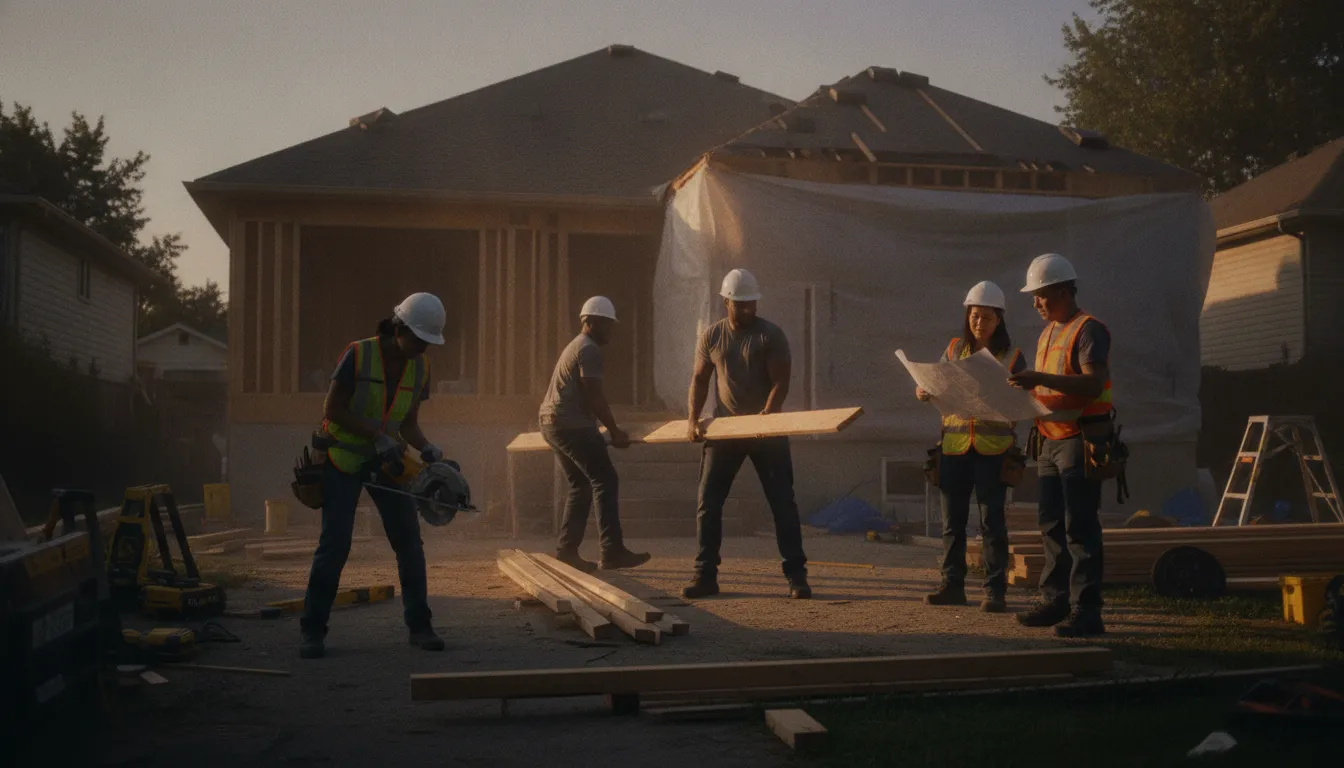
Request a no‑obligation assessment for Home Additions in Richmond Hill
Email Us for a Free EstimateLocal conditions matter — email us for same-day service.
Summer home-service conditions in Richmond Hill, ON
Summer conditions around Richmond Hill, ON put extra demands on your home — we're here for same-day service.
Proudly Serving Richmond Hill, ON
Local, on-time service throughout Richmond Hill and the surrounding area.