
Turning Your Basement Into a Legal Suite in Ontario
What you need to know to create a safe, permitted, and rentable basement suite in Ontario.
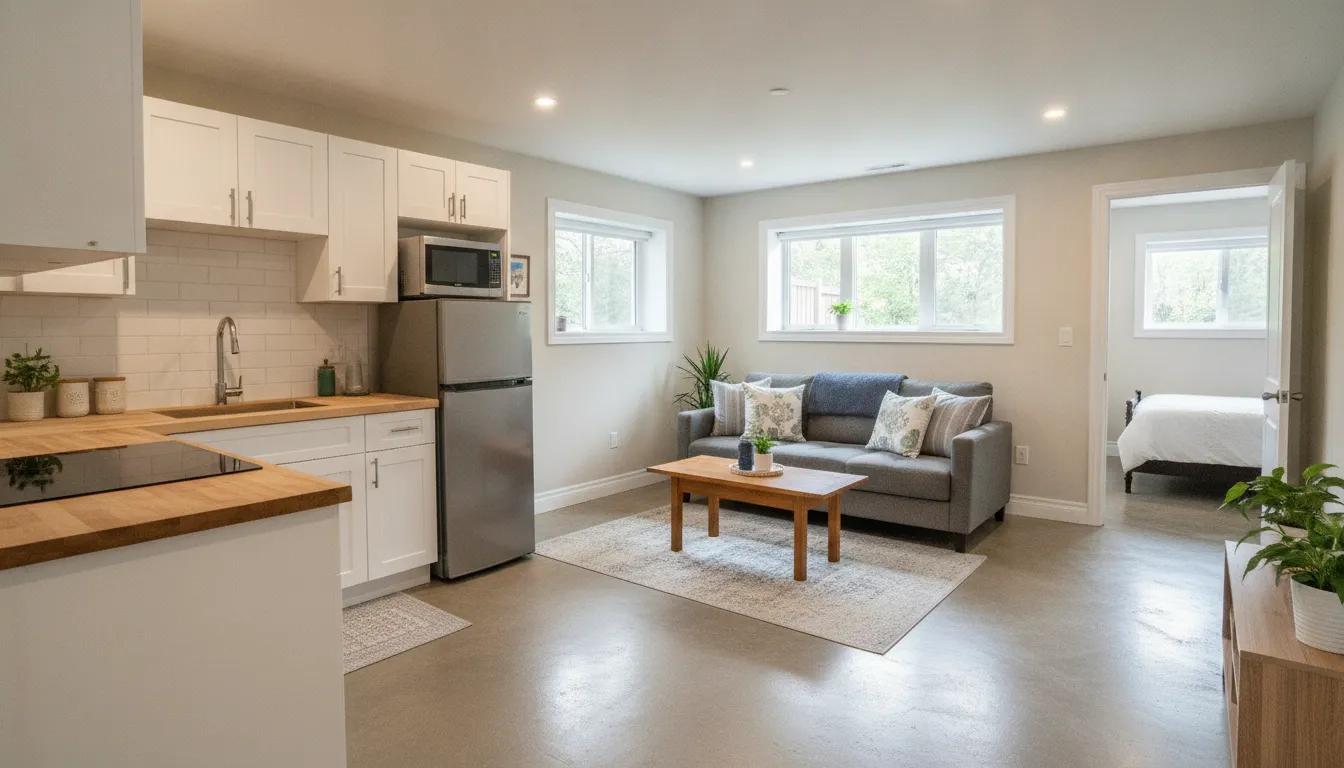
Can I legally convert my basement into a suite in Ontario?
Yes—many basements can be converted into legal accessory dwelling units in Ontario if they meet the Ontario Building Code, local zoning rules, and municipal permit requirements; you'll need to follow permit, fire-safety, egress, and mechanical rules and have inspections. Verify all requirements with your local building department and your insurer.
Key regulatory layers
Three sets of rules usually apply: the Ontario Building Code (technical standards for construction), municipal zoning bylaws (what uses and unit counts are allowed on your lot), and local permit/inspection procedures from your municipality. In York Region and Richmond Hill specifically, the local building office enforces those rules—confirm the process with Richmond Hill's building division since neighboring towns like Markham and Vaughan have similar but not identical rules.
What makes a suite “legal”
A legal basement suite has an approved building permit, passed inspections, and meets safety standards such as minimum ceiling height, emergency egress, fire separations, ventilation, and plumbing. Landlord-tenant or rental licensing rules may also apply—check Richmond Hill and York Region requirements for renting accessory dwelling units.
Insurance and disclosure
Converting a basement changes your insurance risk profile; homeowners must tell their insurer about an added dwelling unit. Policies vary—some require additional liability coverage or adjustments to home-based business/exposure limits—so contact your insurer early and get confirmation in writing.
Step-by-Step: Turning Your Basement Into a Legal Suite in Ontario
This is the practical sequence homeowners use to go from concept to a permitted, habitable basement suite. Local details vary—always confirm with Richmond Hill’s building office and York Region planning staff.
- 1
1. Initial feasibility and pre-application research
Check your zoning to confirm accessory units are permitted on your lot and that minimum parking, lot coverage, and unit-count rules are met. Visit Richmond Hill’s building or planning pages (or call) to clarify any site-specific restrictions and whether the lot is subject to conservation controls or restrictive covenants.
- 2
2. Engage a designer or licensed contractor
Hire someone familiar with the Ontario Building Code and local inspectors—an architect, designer, or experienced renovator—who can produce drawings that show egress windows, fire separations, mechanical layouts, and stairs. Contractors who work regularly in Richmond Hill, Markham, or Vaughan will be familiar with typical inspection expectations.
- 3
3. Submit permit application and drawings
File a building permit application with your local municipality, including plans, energy-compliance documentation, and any plumbing or electrical details required. Municipal offices typically require site plans and floor plans; be prepared to answer questions about unit size, exits, and ventilation.
- 4
4. Prepare for inspections during construction
Inspections are staged—usually footings/excavation (if new windows or walkouts are cut), framing, rough mechanical/electrical/plumbing, insulation/air barrier, and final. Coordinate with your contractor so work is inspected on schedule; failed inspections cause delays and rework.
- 5
5. Complete finishes and final approvals
After final mechanical and electrical inspections and any required fire-safety checks, request a final occupancy sign-off or permit closure. Keep the permit documents, inspection records, and final certificate—these are important when selling or applying for rental licensing.
- 6
6. Update insurance and register tenancy if required
Notify your insurer with the finalized permit and inspection reports so coverage matches actual use. If Richmond Hill requires rental registration or a business licence for secondary suites, follow those steps before renting.
Mistakes to Avoid
Common mistakes add cost and risk. Avoid shortcuts on egress, fire safety, ventilation, permitting, and contractor vetting—these are the items inspectors and insurers will scrutinize.
Skipping the building permit
Not pulling a permit may save time up front but can lead to stop-work orders, expensive mandatory upgrades, or problems when you sell. Permits ensure your work is inspected and legal; always confirm with Richmond Hill building staff what documents are required before starting.
Inadequate egress and emergency routes
Basement suites require a safe and code-compliant means of escape—typically a properly sized egress window or exterior door and clear stair access. Cutting a window too small or locating it where water pooling occurs will fail inspection and put tenants at risk—plan for proper window wells, drains, and steps.
Underestimating waterproofing and damp-proofing
Basements in the GTA can be prone to minor seepage; relying only on interior finishes without addressing exterior drainage, grading, or weeping tiles leads to mold and damaged finishes. Address site drainage and foundation waterproofing before finishing, and use moisture-tolerant materials below grade.
Hiring the wrong contractor or no contract
Choose contractors experienced with Ontario Code requirements and Richmond Hill inspections; get a clear written scope, timelines, and payment schedule. Vague verbal agreements often cause disputes—insist on warranties for work and materials.
What Affects Your Outcome
Several practical factors change cost, timeline, and approval chances.
Zoning and property type
Whether your lot is in a zone that allows accessory units, and whether the house is singledetached, semi, or townhome, directly affects approval and parking requirements.
Existing foundation and ceiling height
Insufficient ceiling height or obstructive beams may require costly excavation or creative layouts to meet minimum habitable-room dimensions under the Ontario Building Code.
Egress windows and exterior access
Adding egress windows or an exterior door affects costs and may trigger landscaping or grading work, including proper window wells, steps, and drainage.
Mechanical systems and ventilation
Adequate ventilation, heating, and hot water capacity must be demonstrated; you may need a separate HVAC zone, HRV/ERV, or upgraded water heater to serve the new unit.
Documentation and inspection timing
Complete, clear drawings speed permit review; missed inspections or late scheduling can push timelines out by weeks. Municipal workload (seasonal peaks in spring/summer) affects how fast permits and inspections happen.
Contractor experience and trade coordination
A team that coordinates structural, plumbing, electrical, and fire-proofing elements reduces rework. Inexperienced crews often produce code issues that require corrective retrofits.
Frequently Asked Questions
Do I need a separate heating system for a basement suite?
Not always—some suites can remain on the existing house system if capacity and zoning allow. However, the system must provide safe, controllable heat and comply with the Building Code; many homeowners opt for a separate zone or a ductless heat pump for tenant comfort and metering.
What are the minimum ceiling heights and windows required?
Minimum ceiling heights are set in the Ontario Building Code and depend on whether ductwork is concealed; typical habitable rooms require at least 2.3 m in some conditions but local interpretations vary. Egress windows must meet size and sill-height rules so confirm exact dimensions with Richmond Hill building staff or your designer.
Will converting my basement affect my property taxes?
Adding a legal rental unit can change the property’s assessment profile, which may affect taxes, but municipality processes differ. Contact the Municipal Property Assessment Corporation (MPAC) or your municipality to understand likely tax implications before proceeding.
Can I rent the suite short-term (Airbnb) after conversion?
Short-term rental rules are set by the municipality; Richmond Hill and York Region may have specific licensing or zoning restrictions for short-term rentals. Verify local bylaws and consider different insurance needs for short-term vs. long-term tenancy.
How long does the permit process usually take?
Timelines vary based on plan complexity and municipal workload; simple interior finishes with complete drawings can move through faster, while structural changes or new egress often take longer. In busy seasons expect several weeks to a few months for approvals; always verify current timelines with the Richmond Hill permit office.
Do I have to disclose the suite when selling the house later?
Yes—when selling you should disclose permitted or unpermitted renovations, and lenders often ask for permit documentation. A legal, permitted suite is an asset; an unpermitted suite can complicate financing and closing—keep all permit and inspection records.
Free on-site assessment for basement legal-suite potential
GTA Home Renovations can review your Richmond Hill basement, discuss zoning and permit steps, and provide a scoped estimate—no pressure, local expertise.
Get a Free Quote