
What Really Drives Renovation Costs in the GTA
Understand the practical, local reasons your Richmond Hill renovation estimate varies.
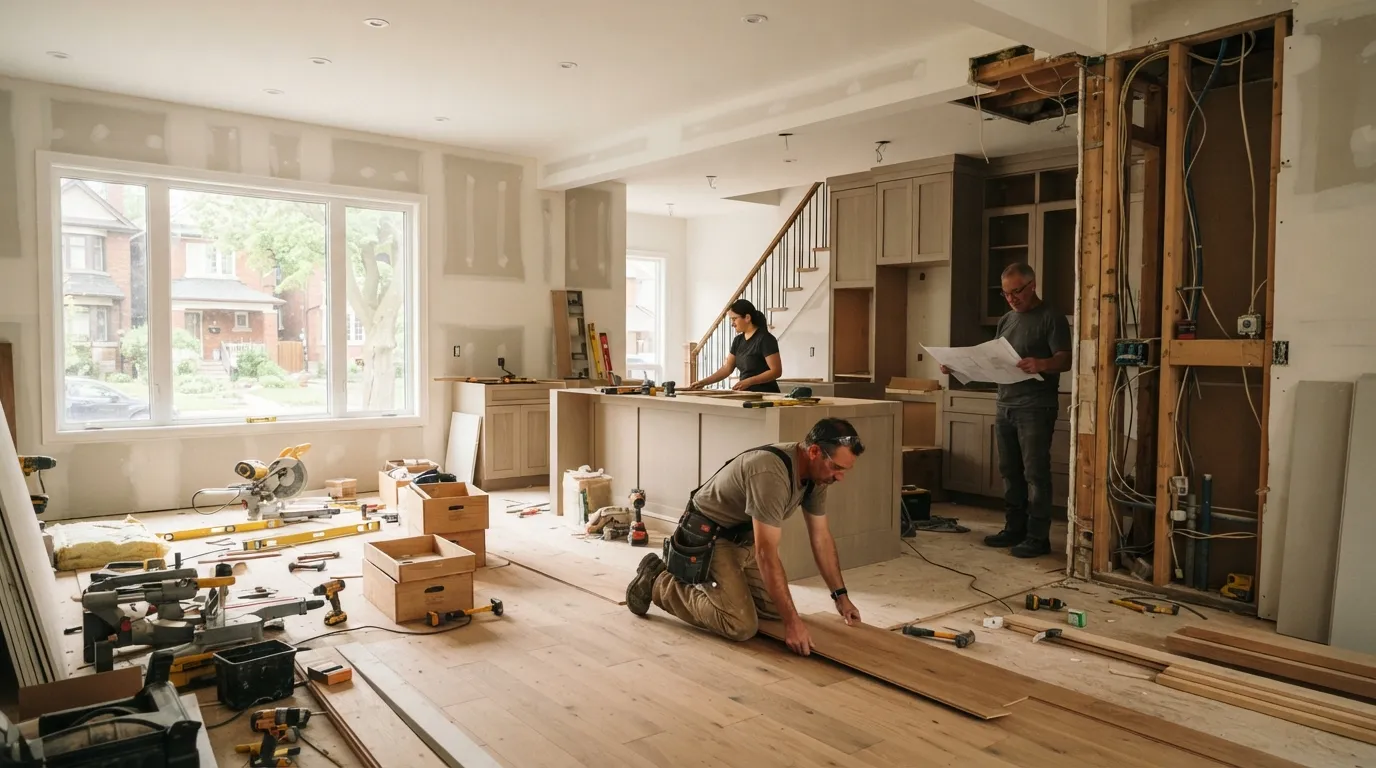
What actually determines how much my renovation will cost?
Renovation cost is set by a few core variables: the scope and complexity of work, the required trades and materials, permit and inspection needs, and timing (season and schedule). Local rules, site conditions and contractor choice then multiply those baseline costs.
Scope and complexity
Square footage, structural changes (like removing walls or adding a dormer), and the finish level drive the biggest cost jumps. Simple cosmetic updates—paint, trim, cabinet refacing—are far cheaper than moving plumbing, re-routing electrical, or altering load-bearing structure.
Trades and materials
Work that needs specialized trades—plumbing, HVAC, structural carpentry, or slab cutting—adds labour and coordination costs. Material choice (engineered hardwood vs. solid hardwood, basic tile vs. porcelain large-format) changes both product cost and installation time.
Permits, inspections and local rules
In Ontario, permit requirements and building department practices affect cost and schedule; structural, mechanical and electrical changes almost always need permits. Always verify locally—Richmond Hill and York Region offices have their own procedures which can add application and inspection fees plus required remedial work to meet code.
Step-by-Step: What Really Drives Renovation Costs in the GTA
Here’s the typical progression showing where costs are added and decisions affect the bottom line.
- 1
1. Define scope and priorities
Decide what must be done now versus what can wait—structural, waterproofing and safety work should be prioritized. The clearer your scope, the fewer change orders and unknowns will inflate costs later.
- 2
2. Site assessment and existing conditions
A contractor inspects structure, hidden systems and finishes; unexpected conditions (rot, mould, asbestos, poor framing) are common cost drivers. Request a written list of likely contingencies so you can budget realistic allowances.
- 3
3. Permitting and plan submission
If permits are required, allow time and budget for application fees and revisions; building departments in Richmond Hill and York Region may require stamped drawings for structural changes. Delays here create schedule and labour-cost pressure—plan accordingly.
- 4
4. Detailed estimate and selections
Estimates split labour, materials, permits and allowances; make selections early to lock in pricing. Upgrade decisions after work starts often mean higher-priced rush orders or rework.
- 5
5. Scheduling trades and seasons
Labour availability and seasonal demand influence prices—spring and fall are busy in the GTA, and exterior work is weather-dependent. Coordinate trades to minimize idle time: good sequencing reduces labour overhead.
- 6
6. Execution, changes and inspections
Change orders, failed inspections, and the discovery of concealed problems are the most common reasons final costs exceed estimates. Keep communication strict and document every change to control scope creep.
Mistakes to Avoid
Common homeowner mistakes add unnecessary expense and delay. Avoid these pitfalls by planning, verifying, and insisting on clear contracts and communication.
Skipping a proper site investigation
Relying on a quick look or verbal quote can miss structural or MEP (mechanical, electrical, plumbing) issues. Ask for a pre-contract site report or conditions allowance so hidden problems don’t turn into emergency change orders.
Delaying permit checks
Assuming work is 'small' and permit-free is risky—municipal enforcement can require removal or rework to meet code. Check with Richmond Hill building services and York Region offices early; if insurance is involved, your insurer will also expect permits for major work.
Choosing the lowest bid without vetting
Low bids can omit necessary scope or use inferior materials; they often lead to surprises and extras. Verify contractor references, licences (where applicable), insurance, and ask for a detailed scope and contingencies instead of a single line price.
Making late material or design changes
Late upgrades to finishes or layout force reordering, restocking fees and extra labour. Finalize selections before demolition where possible and include allowance buffers for popular finishes that may have lead times.
What Affects Your Outcome
Key factors that change schedule, cost and risk for GTA renovations:
Quality of documentation
Clear, stamped plans and a written contract reduce disputes and rework; sketchy scopes produce change orders and budget overruns.
Permits and municipal process
Local permit timelines and inspector requests (Richmond Hill, York Region) affect schedule; revisions or failed inspections increase cost and time.
Contractor selection and coordination
Experienced renovators with local references coordinate trades efficiently; poor coordination creates downtime and compounding labour costs.
Material availability and lead times
Specialty appliances, custom cabinetry or imported tiles can have long lead times that trigger storage, expedited delivery or schedule gaps.
Season and weather
Exterior builds, foundation work and deliveries are weather-sensitive in the America/Toronto timezone; winter concreting or exterior painting often needs special methods that add cost.
Existing conditions and concealed problems
Rot, mould, hidden electrical, or non‑code plumbing uncovered during work are frequent cost drivers; anticipate a contingency allowance of 10–20% of project value depending on scope.
Frequently Asked Questions
Do I always need a permit for renovations in Richmond Hill?
Not always—but many projects do require permits, especially anything structural, changes to plumbing, electrical, or creating new living space. Municipal rules vary, so contact Richmond Hill building services or York Region for confirmation and remember that insurers often expect permitted work for claims.
How much should I budget for unknowns and contingencies?
A common practical approach is to set aside a contingency of around 10–20% of the project cost, higher if the home is older or if demolition will reveal concealed systems. That range is a guideline—adjust based on the contractor’s site assessment and the age of your house.
Can I do some of the work myself to save money?
DIY can lower direct labour costs for non-specialized work like painting or trim, but avoid DIY on electrical, gas, structural, or regulated plumbing work—these often require permits and licensed trades in Ontario. Poor DIY work can increase long-term costs and may affect resale or insurance claims.
How do material choices really affect labour costs?
Some materials demand specialized installation (large-format porcelain tile, hardwood nail-down over concrete, custom millwork), which raises labour rates and time. Cheaper materials may be quicker to install but can cost more over time if they fail or need replacement sooner.
Will the time of year change my quote?
Yes. Spring and fall are busy seasons in the GTA and labour rates or scheduling premiums may be higher; winter can require additional measures for exterior or foundation work in the Toronto-area climate. Contractors often price in seasonal risks and potential weather delays.
Should I get fixed-price or time-and-materials contracts?
Fixed-price contracts give cost certainty for a clearly defined scope but require detailed scopes and accepted allowances; time-and-materials provides flexibility when unknowns are likely. For major renovations in Richmond Hill or surrounding Vaughan and Markham areas, many homeowners combine a fixed price for defined portions and T&M for allowances or clearly listed contingencies.
Free on-site renovation cost review for Richmond Hill homeowners
Request a short, no-pressure inspection to identify major cost drivers and a realistic budget for your project.
Get a Free Quote